CME vs Kalshi: the prediction market fight that just went personal at the CFTC
serguy1984 avatar   
serguy1984
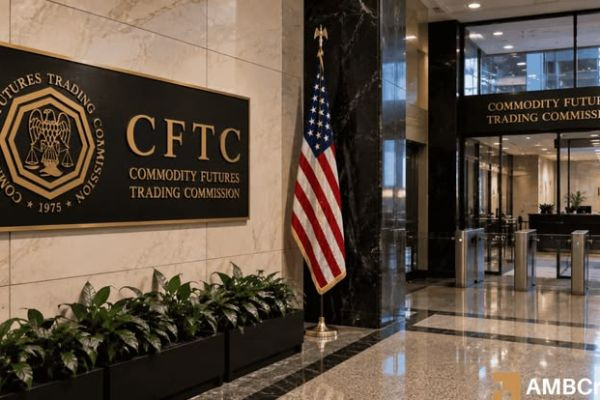
CME Chairman Terry Duffy and Kalshi co-founder Luana Lopes Lara traded insults at a CFTC roundtable over whether prediction markets are legitimate financial infrastructure or carnival games. The confr..

The CFTC roundtable on prediction markets was supposed to be a policy discussion. It became a fight. Terry Duffy, the chairman of CME Group,

the world’s largest futures exchange, sat across from Luana Lopes Lara, the co-founder of Kalshi, a prediction market platform that lets users bet on everything from Bitcoin’s next price move to the Nathan’s hot dog eating contest.

What followed was the most heated public exchange between financial industry executives in recent memory, and it happened in a government hearing room with cameras rolling. The video is on YouTube. The quotes are real.

And the fight, while personal, is the surface expression of a regulatory collision that will determine whether prediction markets become a permanent part of the U.S. financial system or get regulated out of existence. What happened in the room The CFTC convened the roundtable to discuss how event contracts should be regulated.

Event contracts are futures that settle at $1 based on whether a specific outcome occurs. A contract on “Bitcoin above $80,000 by September 1” might trade at $0.45, implying a 45% probability. If Bitcoin is above $80,000 on that date, the contract pays $1. If not, it pays zero.

Duffy opened his remarks by saying he was “a lot concerned” about prediction markets and questioning whether they face the same regulatory scrutiny as established exchanges. “We are not a bunch of carnival barkers at a circus,”

Duffy said. “We are running the most envious markets in the world in the United States of America.” He then singled out Kalshi by name, mocking one of its contracts. “There is another really economic contract that has been massively important for the United States,” Duffy said sarcastically. “That is a Nathan’s hot dog eating contest.”

Duffy also questioned why Kalshi could offer a compute prediction market while CME’s proposed compute contracts remained under CFTC review. The implication was clear: Kalshi operates under lighter regulatory oversight than CME, and that disparity is unfair. After being called out by name, Lara responded. “I just wanted to respond since we were called by name here,” she said. “I would actually have to ask Terry: Has CME ever had any issues with any market manipulation, any issues ever in its history?” Duffy deflected. “If you would like to have a debate, I am happy to have a debate with you.

1,4 мільярда доларів, які створили проблему Суперечка не є абстрактною. Він прикріплений до конкретної фігурки в доларі. Фінансові звіти, оприлюднені раніше у 2026 році, показали, що   заробив понад $1,4 мільярда на криптовалютних підприємствах з моменту повернення до влади. Два основні та мем-монета під брендом Liberty Financial активно працює у різних продуктових лінійках. У лютому 2026 року підприємство оголосило про плани запуску платформи валютного обміну та грошових переказів, спрямованої на спрощення глобальних грошових переказів.


У тому ж місяці з'явилися повідомлення про інвестиції на суму $500 мільйонів, пов'язані з Абу-Дабі, у платформу, про що Трамп заперечував, коли його запитували. Дані на блокчейні, відстежені Lookonchain, показали, що WLF купила сотні мільйонів доларів в Ethereum, а її стек ETH досяг $296 мільйонів до кінця липня 2025 року. Мем-монета викликала більшу суперечку. На відміну від World Liberty Financial, яка принаймні керує інфраструктурою, мем-монета — це спекулятивний токен, який не має жодної користі, окрім асоціації з президентським брендом. Розподіл його власників, активність у мережі та цінова динаміка неодноразово ставали предметом розслідувань Конгресу.

Hiçbir yorum bulunamadı