
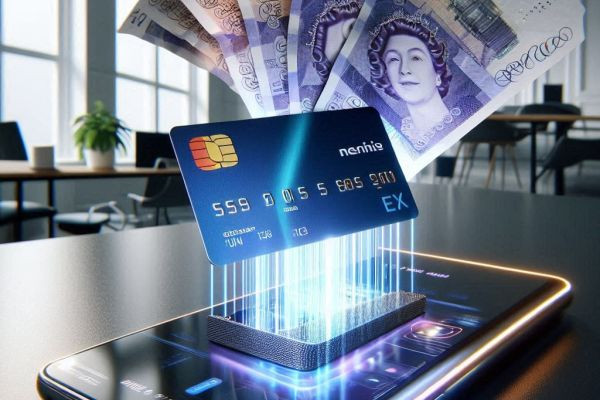
Bank Cards May Be Obsolete by 2030 as Tokens and Biometrics Move In

caticoin732 avatar   
caticoin732
Mastercard wants payments to move beyond plastic by 2030, replacing traditional card numbers with unique transaction tokens and approving purchases with biometrics such as fingerprints and facial reco..

The plastic card has been riding high just as cash fades from everyday life, helped along by tap-to-pay and phone wallets that make even a $5 purchase feel frictionless.

Now Mastercard is betting the next step is ditching the card itself, swapping the familiar numbers for one-time transaction tokens and approving purchases with fingerprints or facial recognition.

The company is aiming for broad adoption by 12/31/2030, selling it as a cleaner, faster way to pay with fewer fraud headaches.

But a payments system that lives entirely on screens and scanners also invites new anxieties about outages, privacy, and what happens to people who cannot or will not keep up.


Mastercard’s plan for the future Mastercard has put a date on that backup role. The payments giant says the industry should move away from traditional card credentials and make digital-first payments the norm by 2030. The goal is straightforward: reduce fraud and make stolen card numbers less useful to criminals. At the center of the shift are transaction “tokens,” essentially unique credentials designed to stand in for your card number. Instead of repeatedly exposing the same digits, tokenization can generate a different code for a purchase, limiting what a breached merchant database can reveal. Mastercard also expects more authentication to happen through biometrics, such as fingerprints or facial recognition, rather than a printed card and a memorized PIN. 

What breaks when everything goes digital? The promise is speed and safety, but the timeline raises practical questions for the US market. What happens during a widespread outage, when a phone battery dies, or when a retailer’s network goes down? Americans have already seen how “cash only” signs appear when point-of-sale systems fail, and a more digital stack can add new failure points. Accessibility is the other pressure test. A system optimized for the newest phones and always-on connectivity can leave behind people who are less comfortable with digital tools, or who rely on older devices and limited data plans. Mastercard is betting security gains will outweigh that friction, but adoption is rarely uniform across neighborhoods and income levels. What this could mean at the register If Mastercard’s approach sticks, the “card number” may fade into the background, replaced by tokens and device-based identity checks. That could make certain kinds of fraud harder, because attackers cannot simply reuse a static credential. It could also change how banks and merchants think about checkout design, returns, and even what “show your card” means in customer servic 


Hiçbir yorum bulunamadı